
The Myth of the Muslim Bloc Vote
Much of the commentary following May’s local elections has reached, once again, for the familiar story of the “Muslim vote”....
Read more

Author: Mohammad Wasim
Published on: November 28, 2025
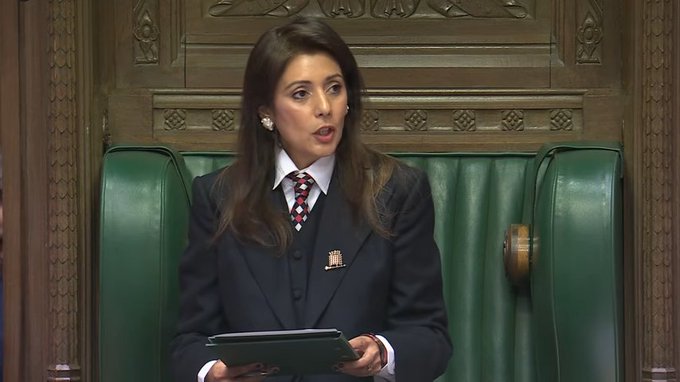
The Chancellor’s Autumn Budget 2025 was presented as a stabilising package, designed to ease the cost of living while keeping public finances under control. Amongst the furore of energised political debate, it also marked a major milestone for the British Muslim community: it was the first Budget in parliament’s centuries old history to be chaired by a British Muslim, Deputy Speaker Nusrat Ghani MP, the Conservative MP for Sussex Weald.
For households, businesses and communities across the UK, the measures announced carry both promise and concern. For British Muslims, who are among the UK’s most generous donors and who often live at the sharp end of economic inequality, the implications are particularly significant.
Several headline policies will bring immediate relief across society:
Yet the Budget also embeds long-term pressures:
The Budget reflects a balancing act: immediate relief for households, but structural tax rises to stabilise debt. For UK society, this means short-term gains in poverty reduction, energy affordability and youth employment, but long-term pressures on middle-income households, savings and charitable giving.
For British Muslims, the stakes are higher. Their disproportionate role in charitable giving means fiscal pressures risk undermining a sector that contributes billions in social value. Advocacy must ensure government recognises faith-based giving as a national asset, not a niche concern.
The Autumn Budget 2025 is neither wholly generous nor wholly austere. It offers targeted relief where society most needs it: child poverty, energy bills, health access. But it embeds fiscal drag and higher taxes that will weigh on households for years to come. For British Muslims, the challenge is to seize the immediate benefits while advocating against measures that disproportionately burden families and weaken the charitable sector. For UK society as a whole, the task is to ensure that relief today does not come at the expense of resilience tomorrow.
Mohammad Wasim is a member of Equi’s Board. He is CEO of Arrakis Consulting and is Partner at JCM Consulting, where he leads strategic initiatives focused on business model innovation, operational excellence and digital transformation.
The views expressed in Equi Comments pieces reflect the author’s perspective and do not necessarily represent the views of Equi. We provide this platform to encourage dialogue on broad themes related to our work, from diverse perspectives.
Stay updated on relevant topics, expert opinions, and the latest trends in the industry.