From Protection to Trust: A New Approach to Mosque Security
The safety and security of British Muslims has become one of the most pressing public policy challenges facing the country. Across Britain,...
Read more
Author: Prof. Javed Khan OBE
Published on: July 6, 2026
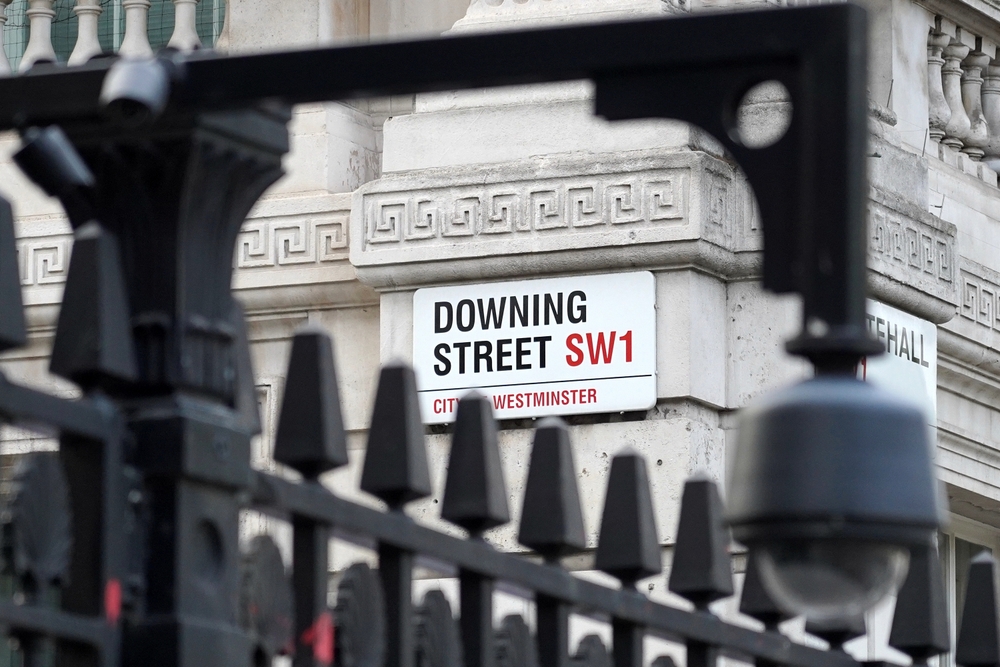
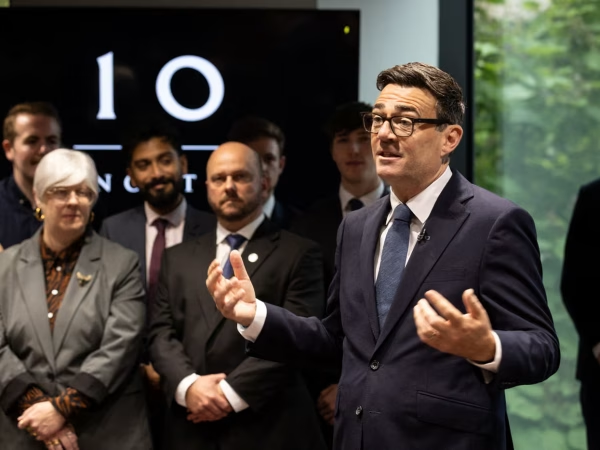
Keir Starmer’s resignation after months of political pressure and declining support has opened a new chapter in British politics, with Andy Burnham widely expected to follow him into Downing Street. Britain now faces yet another leadership transition in a decade marked by instability and public disillusionment.
For British Muslims, this is more than a political reshuffle. It is a moment that should prompt urgent reflection on the deeper forces shaping life in modern Britain: economic, social and cultural, and how they are experienced unequally across the country.
The first is economic insecurity. The cost-of-living crisis, housing pressures and regional inequality are not abstract problems; they define daily life for millions. Muslim communities are typically younger, urban and more likely to be economically exposed and feel these pressures keenly. Any serious programme for national renewal must therefore prioritise inclusive growth: decent jobs, affordable homes and investment that reaches communities too often left behind.
But economics alone does not define the moment. There is a second, more difficult challenge: the mainstreaming of anti‑Muslim sentiment. This is not always visible through headline-grabbing incidents. As research from Equi and others has shown, the issue is often subtler and more pervasive, and reflected in how Muslims are discussed in public discourse, the assumptions that frame policy debates, and the narratives that shape public perception.
Equi’s work highlights a persistent gap between lived reality and public narrative: British Muslims are overwhelmingly integrated, ambitious and invested in the country’s future, yet are frequently portrayed through narrow lenses of security, identity or difference. This distortion matters. It shapes policy priorities, influences media coverage, and ultimately affects whether Muslims feel recognised as full participants in national life.
The key danger is not just prejudice, it is normalisation. When political language consistently problematises one group, it creates an environment where exclusion feels permissible. Over time, this erodes the sense of shared belonging that underpins social cohesion.
The next Prime Minister must therefore take a more deliberate, strategic approach. That means treating anti‑Muslim hatred as seriously as other forms of prejudice, but also addressing the upstream drivers: challenging the narratives that reduce Muslim communities to a set of stereotypes, and investing in a more confident, evidence‑based story about modern Britain.
This matters because tone at the top shapes behaviour across society. When political rhetoric blurs into suspicion, it legitimises a wider climate in which Muslims feel scrutinised rather than supported. The issue is not simply about offence but it is about belonging. A country cannot be cohesive if a significant part of its population feels permanently on the margins of national identity.
Alongside this sits the broader challenge of social cohesion. Britain’s strength has always been its ability to hold together a diverse population under a shared set of values. Yet recent years have seen increasing polarisation, with identity debates crowding out a more confident, inclusive story about modern Britain. The reality that British Muslims overwhelmingly identify strongly with the country and are active citizens, is too often lost in the noise.
Leadership can correct this. It can reassert a narrative of contribution, shared stake and common purpose. Or it can allow division to deepen.
Public services form the third pillar. The NHS, schools and local government are under visible strain. For many families, these services are the primary interface with the state, and when they falter, trust falters with them. Investment and reform must therefore be judged not by announcements, but by outcomes: shorter waiting times, stronger schools and local services that can respond to community needs.
Finally, foreign policy now shapes domestic legitimacy. For many British Muslims, global conflicts resonate personally. A foreign policy that appears inconsistent in its application of principles risks undermining trust at home. A credible approach must be rooted firmly in international law and human rights, applied without fear or favour.
Andy Burnham enters this moment with significant political momentum and public recognition. But he, and any incoming Prime Minister, will ultimately be judged not by popularity, but by whether they can address the structural conditions driving both economic anxiety and social division.
What British Muslims need is not special treatment. It is fair treatment: an economy that works, a society that does not question their place within it, and a politics that is capable of speaking about them, and to them, with confidence and respect.
Prof. Javed Khan OBE is the Managing Director of Equi. This article was first published on Labour Home.
The views expressed in Equi Comments pieces reflect the author’s perspective and do not necessarily represent the views of Equi. We provide this platform to encourage dialogue on broad themes related to our work, from diverse perspectives.
Stay updated on relevant topics, expert opinions, and the latest trends in the industry.