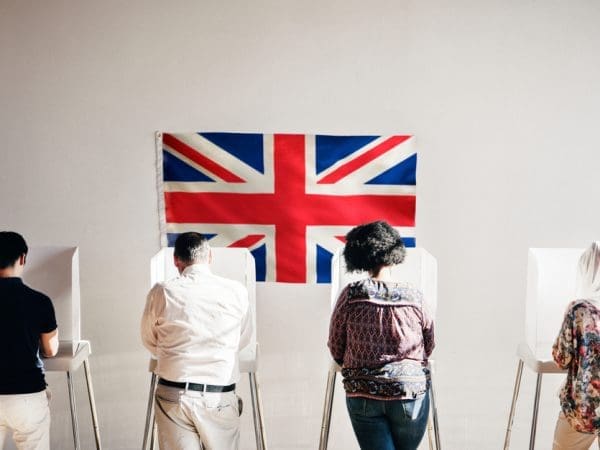
The Myth of the Muslim Bloc Vote
Much of the commentary following May’s local elections has reached, once again, for the familiar story of the “Muslim vote”....
Read more

Author: Dr Mary Hunter & Dr Mamnun Khan
Published on: February 19, 2026

Equi Ramadan Series #3
Ramadan in the UK is no longer something that happens quietly behind closed doors. It has become a recognised moment in the British calendar – a month that enriches society and brings benefits to Muslims and non‑Muslims alike. As part of the Equi Ramadan Series, this article explores how Ramadan contributes to the UK economy and why it matters for the country as a whole.
Ramadan is widely known for fasting, prayer and reciting the Qur’an. But in a diverse and multicultural Britain, many people also see first-hand how Ramadan strengthens community bonds and brings people together. What is less well understood is the scale of its economic impact and how much the UK would lose without Muslim spending during this period.
For the UK’s 4 million Muslims, Ramadan is a central moment in the spiritual year. It is a time for reflection, charity and community. It is also a major economic driver. In fact, the total economic impact of Ramadan is estimated at £1.3 billion a year, a figure that will continue to grow as the Muslim population increases.
A significant share of this, around £350 million, comes from charitable and community activity. This includes volunteering, interfaith iftars and donations that support people both in the UK and overseas. Much like Christian-led initiatives at Christmas, these efforts reduce poverty, strengthen social ties and improve lives. Encouraging interfaith charitable work during major religious festivals can play a powerful role in building community harmony and reducing hardship.
Ramadan is also a period of increased household spending. Families host larger gatherings to break their fasts, buy new clothes for Eid and exchange gifts with loved ones. This activity generates an estimated £640 million in retail spending, driving economic growth, investment and jobs across the country.
There is also growing potential for brands to build meaningful partnerships with Muslim consumers, not only during Ramadan but throughout the year. Ethical, sustainable and community‑focused brands in particular stand to benefit, aligning with wider shifts towards slow fashion and responsible sourcing. Many mainstream companies have already recognised this opportunity and now offer products tailored to Muslim customers during Ramadan and beyond.
For government, the Ramadan economy presents a valuable opportunity to strengthen relationships with communities while supporting national prosperity. The creation of the Office for the Impact Economy is a positive step, helping connect impact investors, philanthropic organisations and purpose‑driven businesses. By placing community‑based enterprises at the centre of its work, the government can help build a fairer society and unlock further resources for social good. But more research is needed to fully understand Muslim spending patterns and their year‑round contribution to the UK economy.
Muslim economic participation benefits the whole country, but it cannot be taken for granted. Rising anti‑Muslim hostility and racism mean that more Muslims are considering leaving the UK. High‑earning Muslim professionals are 65% more likely than the average Briton to have thought about emigrating. Losing this talent and investment would create a serious gap in the public finances and weaken the UK’s economic prospects.
If the UK wants to retain this contribution, government must tackle rising Islamophobia and develop smart, forward‑looking policies that support Muslim communities. The Ramadan economy shows what is possible when faith, community and prosperity work together. Protecting and strengthening that contribution is in everyone’s interest.
Read more:
Muslim Community-Led Initiatives on Tackling Loneliness are Working. Let’s Learn from Them
Tackling Loneliness: Learning From British Muslim Experiences
Ramadan: Its Value to British Society and the Economy
About the Equi Ramadan Series: A five-part exploration of the often under-recognised contribution Ramadan makes to everyday life and social cohesion in modern Britain. The series builds towards Ramadan 2026 and previews an upcoming short report, Ramadan: Breaking Fast, Building Britain, to be published during the holy month.
Dr Mary Hunter is a Senior Researcher at Equi. Mary has previously worked for several think tanks. Most recently, she was Director of Research at the Policy Research Institute for South Asia (PRISA), with a focus on UK-South Asia relations. Prior to that, she was a Visiting Research Fellow at the Centre for Strategic and Contemporary Research (CSCR) in Pakistan researching cultural relations between the UK and Pakistan.
Dr Mamnun Khan, the author of Being British Muslims: Beyond Ethnocentric Religion and Identity Politics, is a British Muslim thinker and writer who explores identity, Islam, and the social integration of Muslims in contemporary Britain. His work critically examines the challenges and opportunities faced by British Muslims, advocating for a balanced God-centred approach that transcends ethnocentrism and ideological extremes.
Stay updated on relevant topics, expert opinions, and the latest trends in the industry.