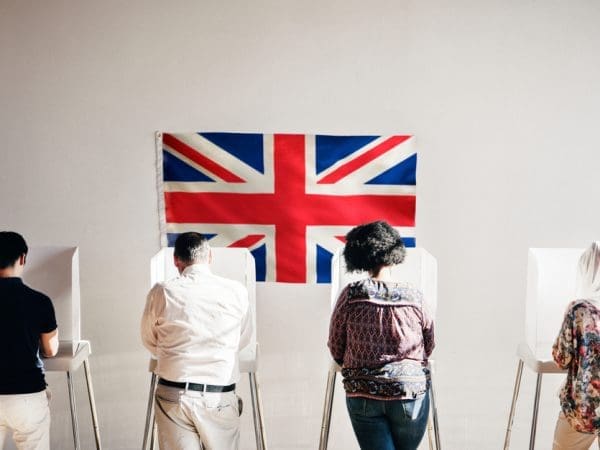
The Myth of the Muslim Bloc Vote
Much of the commentary following May’s local elections has reached, once again, for the familiar story of the “Muslim vote”....
Read more

Author: Prof. Javed Khan OBE
Published on: September 13, 2024

The summer riots that erupted in various parts of the UK, driven by far-right extremist groups, sparked alarm and concern across the nation. These events, marked by violence and intimidation, were not merely spontaneous outbursts but are deeply rooted in issues of racism, Islamophobia, and arguably were acts of terrorism. For many, particularly within the Muslim community, these riots came as no great surprise, given the long history of social tensions simmering beneath the surface of British society.
Street riots have occurred in the UK every decade, more or less, over the past forty years- so one could argue we were due! Each wave has been sparked in different ways, but all have reflected underlying social, economic, and racial tensions. From the race riots in the 1980s to White supremacists on streets in August 2024, these events have often been fuelled by feelings of injustice, marginalisation and a lack of trust in institutions. Whether it has been Black, Brown or White people coming out on the streets, it is clear the underlying issues have been inadequately addressed over the years, allowing resentment and anger to build up across community groups.
Racism has been a persistent problem in the UK, despite efforts to promote equality and inclusion. Many communities, particularly those of Black, Asian, and Minority Ethnic (BAME) backgrounds, continue to face systemic discrimination in areas such as employment, housing, education and policing.
Islamophobia, in particular, has been a growing concern for many years. The UK has witnessed a troubling rise in anti-Muslim sentiment, often stoked by far-right groups, some politicians and certain elements of the media. For many Muslims, the portrayal of their community as a monolithic group inherently linked to terrorism has been deeply alienating. This stigmatisation has led to increased hate crimes, social exclusion, and a sense of alienation among British Muslims. For instance, even before the latest riots took place, sources as early as February of 2024 noted a close to 350% increase in hate crimes against Muslims.
The far-right has also exploited fears of terrorism to galvanise support, manipulating legitimate security concerns to scapegoat entire communities, particularly Muslims. This has created a toxic environment where Islamophobia thrives, leading to further marginalisation and, in some cases, the radicalisation of individuals within both the Muslim community and far-right movements.
While the government’s swift response was necessary and welcome, it now has a responsibility to do more than any government has managed in the past. In the aftermath of the riots, we now need a broader strategy that addresses the root causes of far-right extremism, counters its narratives and strengthens community cohesion. Preventing future far-right racist riots requires a holistic, multi-pronged and sustained approach that combines strong law enforcement, community engagement, education and efforts to address the root causes of extremism. The government must be proactive in tackling the factors that allow far-right ideologies to thrive, while confidently promoting values of inclusion, diversity and social cohesion. By taking these steps, the UK can build a more resilient society that is less vulnerable to the divisive and destructive forces we have seen on our streets. This will of course require some investment, at a time of spending restrictions, but the high return on investment will more than justify the spend.
Anything less will not heal the divisions that have led to such devastating unrest and history may well repeat itself, before we know it.
Prof. Javed Khan OBE, MD Equi
An action plan for government
To prevent future far-right racist riots, the UK government must adopt a comprehensive and proactive approach:
The government should invest in public awareness campaigns that counter the harmful and misleading narratives propagated by far-right groups. These campaigns should promote values of inclusion, tolerance, and diversity while debunking myths and misinformation spread by extremists. Media literacy programs can also play a key role in helping people, particularly young people, critically assess the information they consume, making them less susceptible to radicalisation.
Far-right extremists often use online platforms to spread their ideologies and organise events. The government should work closely with social media companies, technology firms and regulatory bodies such as the Global Internet Forum to Counter Terrorism (GIFCT) to regulate online spaces and ensure that hate speech and extremist content are quickly removed. This should include a review of the Online Harms legislation that should hold companies accountable for the content hosted on their platforms, as well as efforts to disrupt online recruitment by extremist groups.
Strengthening social cohesion is key to preventing the division and mistrust that far-right groups exploit. The government should support community-based initiatives that bring people together across racial, religious and cultural lines. Programs that promote interfaith dialogue, cultural exchange and joint community projects can foster understanding and reduce the appeal of divisive ideologies. Investing in youth engagement, including programs that teach tolerance and critical thinking, can also help protect young people against far-right radicalisation.
Civil society organisations are trusted by communities and can play a crucial role in combating racism and extremism. The government should partner with charities, advocacy groups and faith-based organisations to address racism and promote tolerance. These partnerships can amplify the impact of government policies by reaching into communities, offering education and providing support for those affected by racism and far-right violence. Grants and funding for grassroots organisations that work on these issues can help build a strong civil society response to far-right extremism.
Political leaders have a responsibility to take a firm and unequivocal stance against far-right extremism, racism and Islamophobia. The government should ensure that its messaging at all levels is consistent in condemning hate, promoting unity and rejecting the divisive rhetoric of far-right movements. Leaders must be vigilant against allowing extremist views to gain legitimacy in mainstream politics, and any form of appeasement or tolerance for hate speech should be rejected.
Far-right extremists often engage in violent rhetoric and incite hatred, which can escalate into riots. The government should ensure that Police and intelligence services are adequately resourced to monitor and prevent far-right activities. This includes tracking online hate speech, dismantling extremist networks, and pre-emptively addressing threats. The government should also ensure that hate crime laws are rigorously enforced, with severe consequences for those who incite or commit violence based on race or religion.
Far-right extremism often thrives on fear, anger, and a sense of economic and social dislocation. The government should address these root causes by investing in communities that feel left behind by economic change, offering educational and employment opportunities, and ensuring access to services that promote social mobility. By addressing issues such as unemployment, poverty, and lack of prospects—factors that can lead individuals to embrace far-right ideologies—the government can reduce the appeal of extremist movements.
While addressing legitimate grievances of communities feeling left behind by globalisation or social change is important, the government must be careful not to frame these issues in ways that fuel far-right narratives. Policy responses should focus on economic justice, social welfare and empowerment without legitimising xenophobic or racist views. Constructive engagement with communities feeling disillusioned can help channel frustrations into positive actions rather than extremism.
Education is a powerful tool for preventing the spread of far-right ideologies. The government should prioritise educational programs that promote understanding of diversity, human rights and the history of racism and extremism. Schools should be supported in teaching critical thinking and media literacy skills that can help students resist radicalisation. Encouraging a curriculum that celebrates multiculturalism and teaches the importance of inclusion can help reduce the appeal of far-right rhetoric among young people.
Local governments are often on the front line when it comes to managing community tensions and responding to the early signs of extremism. The national government should work closely with local Councils to fund and support initiatives that promote community cohesion, address grievances and respond to extremist activities before they escalate. Providing Councils with the resources they need to address these issues can prevent riots from occurring in the first place.
The views expressed in Equi Comments pieces reflect the author’s perspective and do not necessarily represent the views of Equi. We provide this platform to encourage dialogue on broad themes related to our work, from diverse perspectives.
Stay updated on relevant topics, expert opinions, and the latest trends in the industry.