From Protection to Trust: A New Approach to Mosque Security
The safety and security of British Muslims has become one of the most pressing public policy challenges facing the country. Across Britain,...
Read more
Author: Prof. Javed Khan OBE
Published on: September 29, 2026
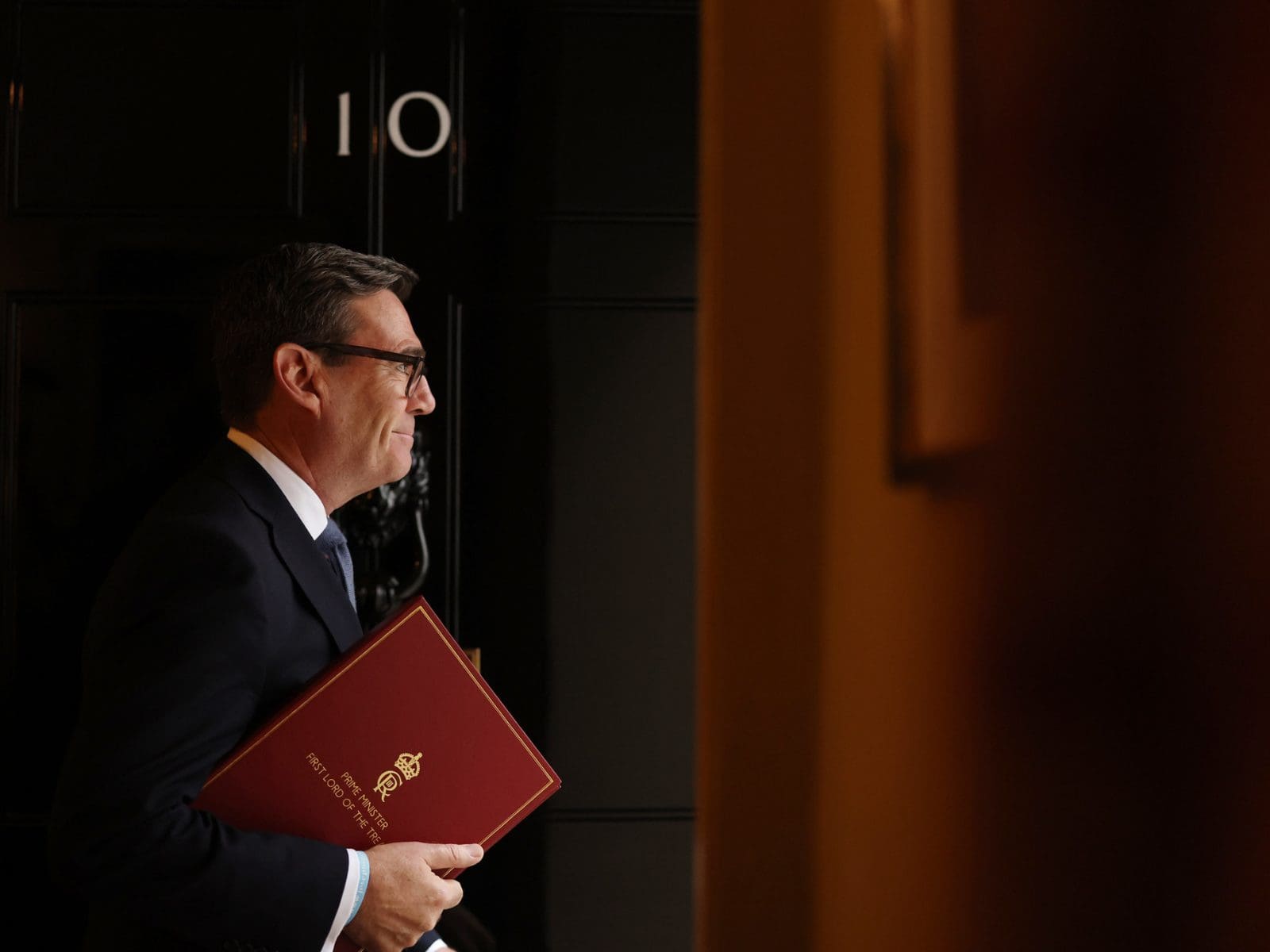
There was something significant about the tone of Andy Burnham’s first Labour conference speech as Prime Minister. It was ambitious in its politics, but also strikingly human.
The speech set out a substantial programme: reform of social care, changes to the pensions triple lock, greater public control over energy and water, more council housing, electoral reform and a renewed relationship with Europe. The details will rightly receive scrutiny, particularly over how the proposals will be funded and delivered. But beneath the policy announcements was a recurring idea: that government should help people feel that the country has their back.
That language matters. I think politics can too often become an exercise in statistics, systems and competing interests. Yet people experience government through very ordinary things: whether an elderly parent receives good care, whether a family can afford its home and energy, whether young people can see a future, whether people feel safe and whether people feel that their community matters.
The Prime Minister’s emotion when speaking about his father was particularly striking. It was refreshing to see that he didn’t hide grief or vulnerability behind the usual armour of political performance. His reflections connected personal experience with a wider vision of Britain shaped by solidarity, public service, trade unions and the NHS. Whatever one’s politics, for me there is great value in seeing humanity rather than invulnerability in public leadership.
There is, however, another dimension that deserves greater attention as this agenda develops: faith literacy.
This isn’t a call for government to promote religion. It means understanding that religious belief, practice and institutions are part of the lives of many millions of people and continue to shape communities, identities, values and patterns of service. Faith communities run food banks, schools, shelters, youth projects, community centres and countless forms of voluntary support. They are also important, trusted partners in understanding communities that policymakers can otherwise struggle to reach.
Good public policy needs to understand the people it serves. That means taking faith seriously without making assumptions about believers, and engaging confidently with people of faith while equally respecting those of no faith.
The speech’s emphasis on community, solidarity and the common good creates an opportunity for precisely that approach. If government wants to rebuild trust and strengthen communities, faith literacy has to be part of the policy toolkit.
Hope, as the Prime Minister rightly argued, requires honesty. It also requires listening, including listening to the faith communities that are already helping hold our society together.
Prof. Javed Khan OBE is the Managing Director of Equi.
The views expressed in Equi Comments pieces reflect the author’s perspective and do not necessarily represent the views of Equi. We provide this platform to encourage dialogue on broad themes related to our work, from diverse perspectives.
Stay updated on relevant topics, expert opinions, and the latest trends in the industry.